
Hybrid Bearings vs Steel Bearings: Which One Wins in 2026?
A Factory Shutdown That Cost More Than the Bearings Themselves
Imagine this.
It's 2:30 a.m. in a modern manufacturing plant. Hundreds of robotic arms continue assembling electric vehicle components with almost perfect precision. Automated guided vehicles (AGVs) move silently between production lines, while AI systems monitor every machine in real time.
Then, without warning, one motor begins to vibrate.
Within minutes, an overheated bearing forces the production line to stop. The robots freeze. Conveyor belts stand still. Engineers rush to diagnose the issue, but every minute of downtime means thousands of dollars in lost productivity.
Ironically, the failed bearing was one of the least expensive components in the entire machine.
Stories like this are becoming increasingly common—not because bearings are unreliable, but because today's industrial equipment is operating under conditions that were almost unimaginable just a decade ago.
In 2026, motors spin faster, robots work longer, electric vehicles demand greater efficiency, and offshore wind turbines continue to grow in size. Bearings are no longer simply "supporting" rotating shafts—they have become critical performance components that directly influence reliability, energy efficiency, maintenance costs, and even sustainability goals.
As these expectations rise, one question keeps appearing in engineering meetings and purchasing discussions around the world:
Should you continue using traditional steel bearings, or is it finally time to switch to hybrid bearings?
The answer isn't as simple as choosing the newer technology. Each type has strengths, weaknesses, and ideal applications. Understanding those differences could save your business far more than the initial purchase price.
Why This Debate Matters More in 2026 Than Ever Before
For decades, steel bearings dominated almost every industry. From mining equipment and agricultural machinery to automotive transmissions and industrial pumps, they proved dependable, affordable, and easy to source.
But the industrial landscape has changed dramatically.
Today's factories are shaped by several major trends:
- AI-powered predictive maintenance
- Industry 4.0 and smart manufacturing
- Humanoid robots entering commercial production
- Electric vehicles with ultra-high-speed motors
- Larger offshore wind turbines
- Increasing demand for energy-efficient machinery
- Carbon reduction targets across global industries
These trends place new demands on every rotating component.
Manufacturers no longer ask only:
"Will the bearing work?"
Instead, they ask:
- How much energy will it save?
- Can it run faster?
- How often will it need lubrication?
- Can it prevent electrical damage?
- Will it reduce maintenance costs?
- Can it survive continuous operation for years?
These questions have pushed hybrid bearings into the spotlight.
What Exactly Is a Steel Bearing?
Despite all the excitement surrounding advanced materials, steel bearings remain the foundation of modern industry.
A traditional steel bearing uses hardened bearing steel for both the races and the rolling elements. Through decades of material science and manufacturing improvements, modern bearing steel offers impressive strength, fatigue resistance, and affordability.
Advantages of Steel Bearings
✔ Excellent load-carrying capacity
Steel handles heavy radial and axial loads extremely well, making it ideal for construction equipment, mining machinery, gearboxes, and industrial conveyors.
-Lower purchase cost
For many applications, steel bearings remain the most economical option, especially for large equipment requiring multiple bearing replacements.
-Proven reliability
With more than a century of industrial use, engineers thoroughly understand how steel bearings perform under different operating conditions.
-Wide availability
Steel bearings are available in nearly every size and configuration, making replacement quick and convenient.
Their Biggest Challenges
However, steel bearings also face limitations in today's high-performance environment.
They can suffer from:
- Electrical pitting in electric motors
- Higher friction at extreme speeds
- Increased heat generation
- Corrosion in humid or chemical environments
- Greater dependence on lubrication quality
As industrial equipment becomes faster and smarter, these limitations become increasingly significant.
What Makes Hybrid Bearings Different?
The word "hybrid" doesn't mean the entire bearing is made from ceramic.
Instead, a hybrid bearing combines two different materials:
- Steel inner and outer rings
- Ceramic rolling balls (usually silicon nitride, Si₃N₄)
At first glance, this may seem like a minor design change.
In reality, replacing steel balls with ceramic balls dramatically changes how the bearing behaves.
Ceramic balls are:
- Approximately 60% lighter than steel balls
- Much harder
- More resistant to wear
- Electrically insulating
- Less affected by temperature changes
- Highly corrosion-resistant
Because the rotating elements are lighter, centrifugal forces decrease significantly at high speeds. This allows hybrid bearings to run faster while generating less heat and vibration.
The result is a bearing that is particularly well suited to modern electric motors, robotics, machine tools, aerospace systems, and renewable energy equipment.
Why Ceramic Balls Matter More Than Most People Think
Think of a professional cyclist climbing a mountain.
If you reduce the weight of the bicycle wheels instead of the frame, acceleration improves dramatically because rotating mass matters more than stationary mass.
Bearings follow the same principle.
The rolling elements are constantly accelerating, decelerating, and changing direction.
Reducing their weight has multiple benefits:
- Less rolling resistance
- Lower operating temperature
- Reduced vibration
- Higher rotational speed
- Longer grease life
- Lower energy consumption
These improvements may appear small individually.
But inside a factory operating 24 hours a day, seven days a week, they accumulate into significant savings over the lifetime of the equipment.
The Biggest Misconception About Hybrid Bearings
Many buyers assume hybrid bearings are simply "premium steel bearings."
That isn't accurate.
Hybrid bearings are not designed to replace every steel bearing.
Instead, they solve specific engineering challenges that traditional steel bearings struggle to overcome.
For example:
- Preventing electrical erosion in inverter-driven motors
- Supporting ultra-high-speed spindles
- Reducing maintenance in hard-to-access equipment
- Improving energy efficiency
- Extending bearing life in precision applications
In heavy-load, low-speed environments, traditional steel bearings often remain the better—and more economical—choice.
The key is understanding where each technology delivers the greatest value.
Choosing the Right Bearing Is No Longer Just About Price
Ten years ago, procurement teams often selected bearings based primarily on unit cost.
Today, the conversation has shifted.
Instead of asking, "Which bearing is cheaper?" manufacturers increasingly ask:
- Which bearing reduces downtime?
- Which bearing lowers energy consumption?
- Which bearing minimizes maintenance?
- Which bearing delivers the lowest total cost of ownership over five or ten years?
In many industries, the cheapest bearing is no longer the least expensive option in the long run.
That shift in mindset is exactly why hybrid bearings have become one of the most talked-about innovations in industrial motion systems.
Steel bearings continue to be the backbone of industrial machinery, offering strength, affordability, and proven reliability. However, the rapid rise of AI-driven factories, electric vehicles, robotics, and renewable energy has created new performance demands that traditional steel bearings cannot always meet. Hybrid bearings—with their ceramic rolling elements—offer compelling advantages in speed, efficiency, electrical insulation, and service life, but they are not a universal replacement. The real question is not which bearing is better, but which bearing is better for your application.
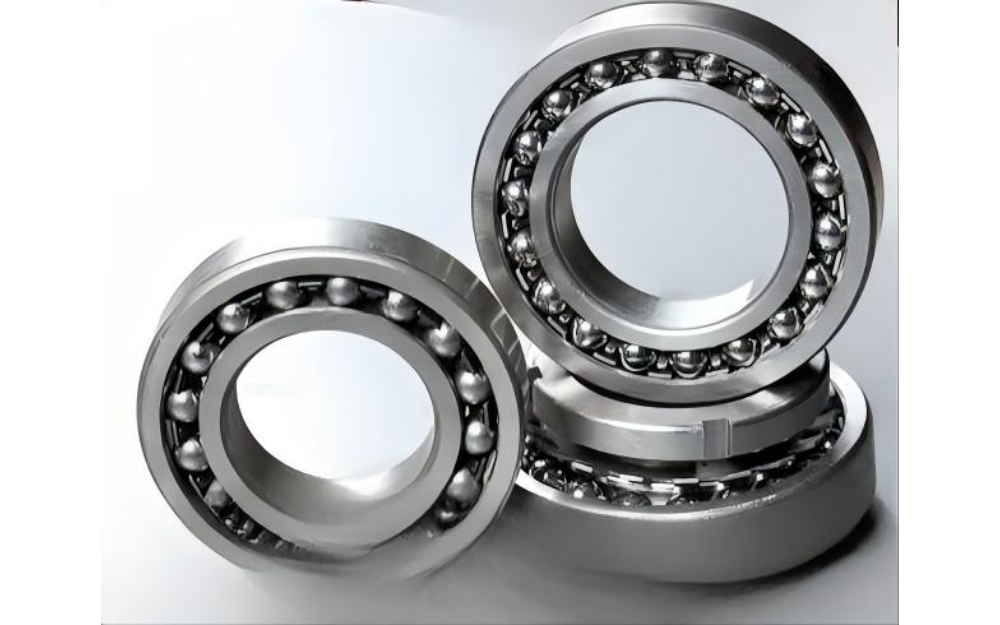 Warehouse Robots Never Sleep—Can Their Bearings Keep Up?
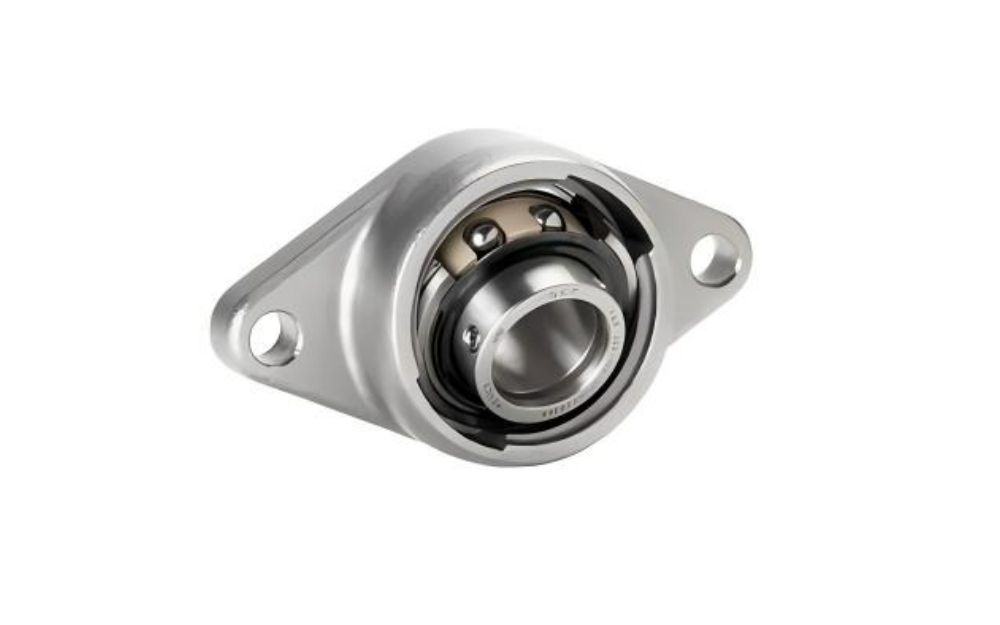 How Bearing Downtime Can Cost Offshore Platforms Millions
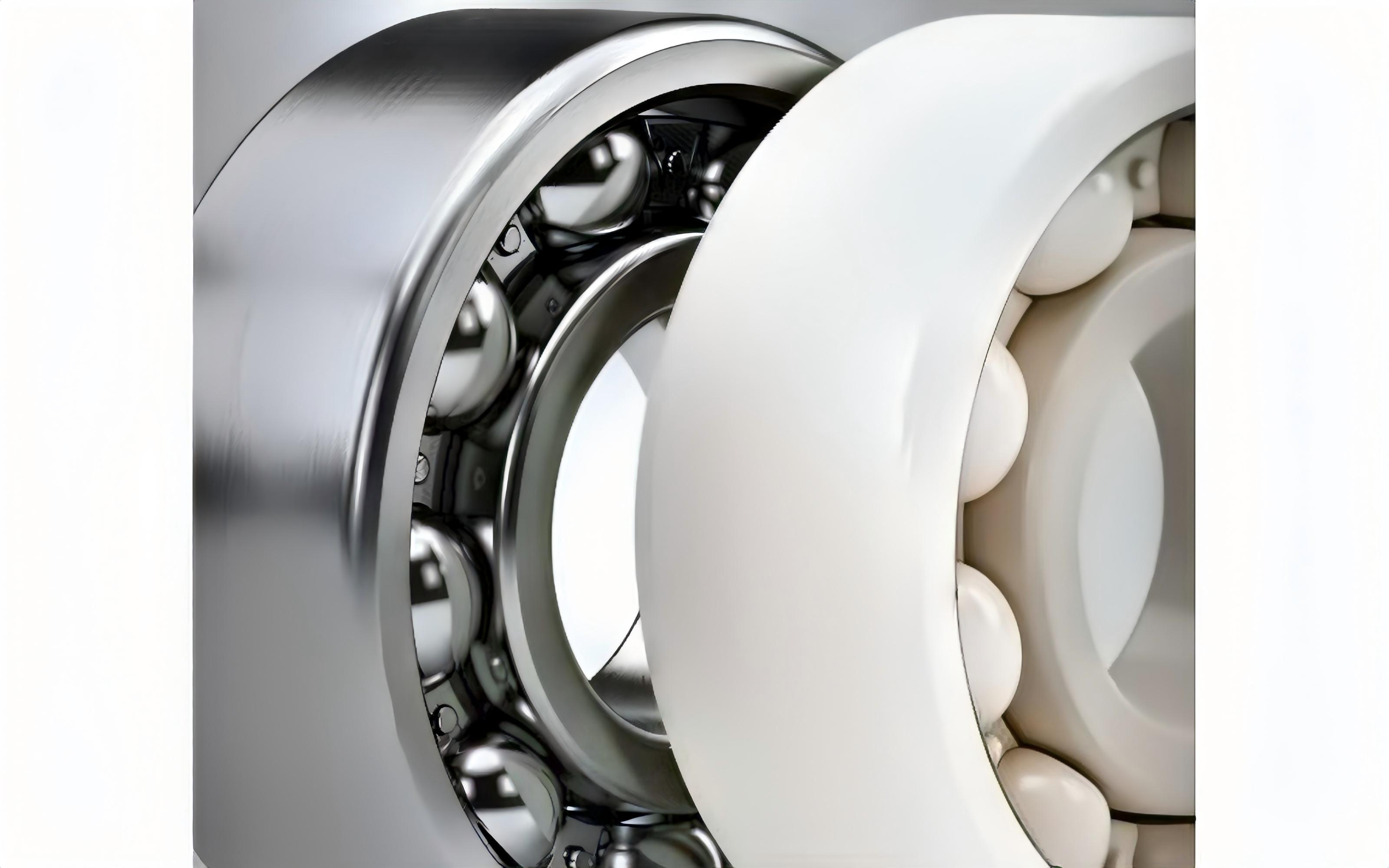 Hybrid Bearings vs Steel Bearings: Which One Wins in 2026?
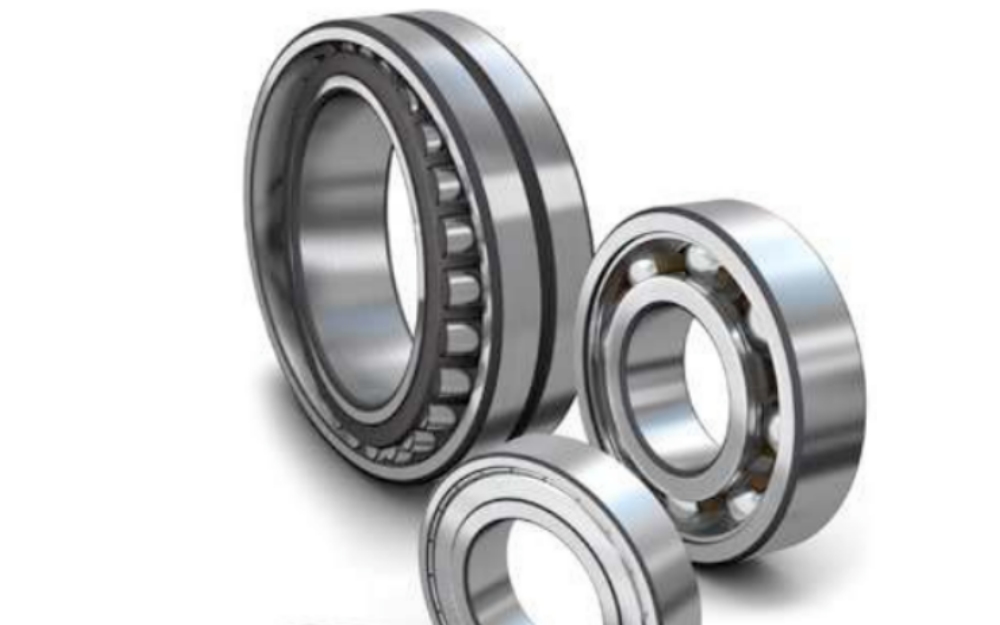 Why Are More Factories Switching to Sealed Bearings Instead of Open Bearings in 2026?