Do bearings with dust covers need additional lubrication?
The Question That Keeps Maintenance Engineers Awake at Night
Imagine this situation:
You walk through a factory floor filled with humming motors, conveyor systems, packaging machines, and automated robots. Everything seems to be running smoothly—until suddenly a bearing fails.
The first question often asked isn't "What happened?" but rather:
"Should we have added more grease?"
Now let's make the question even more specific:
If a bearing already has a dust cover (shield or seal), does it still need additional lubrication?
At first glance, the answer seems simple. After all, dust-covered bearings are designed to keep contaminants out and lubricant in. Many are even marketed as "lubricated for life."
But in real-world industrial environments, the answer is not always straightforward.
In 2026, with factories increasingly relying on predictive maintenance, IoT monitoring, and longer equipment service intervals, understanding lubrication requirements has become more important than ever.
Let's explore the truth behind dust-covered bearings and whether they really need additional lubrication.
What Exactly Is a Dust-Covered Bearing?
Before discussing lubrication, let's clarify what we mean by a dust-covered bearing.
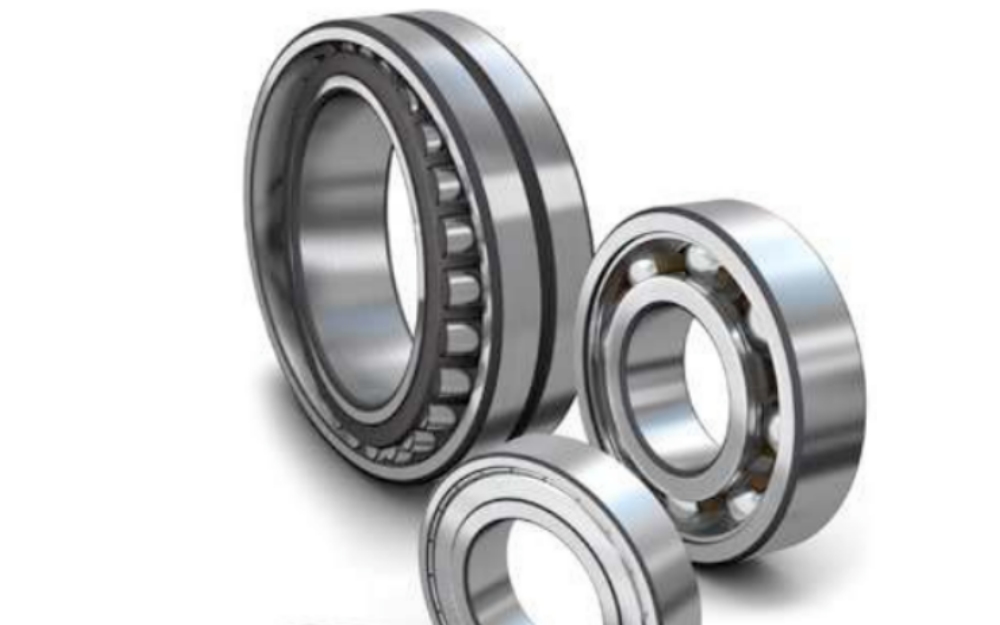
A dust cover is a protective barrier installed on one or both sides of a bearing.
The two most common types are:
Shielded Bearings (ZZ)
These use thin metal shields.
Their purpose is to:
- Prevent large contaminants from entering
- Retain grease inside
- Reduce maintenance requirements
However, shields do not completely seal the bearing.
Sealed Bearings (2RS)
These use rubber seals.
They provide:
- Better protection against dust
- Improved moisture resistance
- Better grease retention
Sealed bearings are commonly found in:
- Electric motors
- Agricultural machinery
- Packaging equipment
- Conveyor systems
- Automotive components
Most sealed bearings arrive from the factory pre-filled with grease.
This is where the confusion begins.
The Popular Myth: "Sealed Means No Lubrication Ever"
One of the biggest misconceptions in the bearing world is:
"A sealed bearing never needs lubrication."
Unfortunately, reality is more complicated.
The correct statement is:
"A sealed bearing may not require relubrication during its intended service life."
Notice the difference.
Manufacturers design sealed bearings based on expected operating conditions:
- Load
- Speed
- Temperature
- Environment
- Operating hours
If actual conditions exceed those assumptions, lubrication can become a limiting factor.
In other words:
A bearing's seal protects the grease—but it cannot magically prevent grease aging.
What Happens to Grease Over Time?
Think of grease like engine oil.
Even when protected inside a bearing, grease slowly changes.
Over time, it can:
Oxidize
Exposure to heat causes chemical degradation.
Separate
Oil can separate from the thickener.
Harden
Grease may become stiff and less effective.
Lose Additive Performance
Anti-wear and anti-corrosion additives eventually degrade.
Become Contaminated
Even excellent seals cannot block every particle forever.
This process happens gradually.
A bearing may appear fine externally while lubrication quality is steadily declining internally.
Why This Matters More in 2026
Industrial equipment today is working harder than ever.
Several trends are accelerating bearing stress:
Higher Production Speeds
Manufacturers want greater output without expanding facilities.
Machines operate faster and longer.
Higher speed means:
- More friction
- More heat
- Faster grease degradation
Predictive Maintenance
Smart factories increasingly use:
- Vibration sensors
- Temperature monitoring
- AI diagnostics
These systems often reveal lubrication-related issues long before failure occurs.
Interestingly, many predictive maintenance programs identify lubrication deterioration as one of the earliest warning signs.
Extended Service Intervals
Companies are reducing maintenance shutdowns.
Equipment that once stopped every six months may now run continuously for years.
The bearing grease must survive much longer.
When Additional Lubrication Is Usually NOT Necessary
There are many situations where adding grease is unnecessary—and can even be harmful.
Small Electric Motors
Many modern motors use sealed bearings designed for their entire operational lifespan.
Examples include:
- Office equipment
- Small pumps
- Fans
- Household appliances
The manufacturer has already selected the proper grease quantity.
Adding more often creates problems rather than solutions.
Light-Duty Industrial Applications
In relatively clean environments, sealed bearings often perform perfectly without relubrication.
Examples:
- Packaging machinery
- Printing equipment
- Food processing conveyors
- Automated assembly lines
If temperatures remain moderate and contamination is low, factory grease can last many years.
Bearings Without Relubrication Design
Many sealed bearings simply are not designed to receive additional grease.
Trying to force grease inside may damage seals.
In these cases, replacement is usually the preferred maintenance strategy.
When Additional Lubrication May Be Needed
Now let's discuss the opposite situation.
Certain operating conditions significantly shorten grease life.
High Temperatures
Heat is the number-one enemy of grease.
As a general rule:
Every 15°C increase in operating temperature can dramatically reduce grease life.
Applications include:
- Steel mills
- Furnaces
- Drying equipment
- Industrial ovens
Even sealed bearings may require special lubrication strategies.
Heavy Loads
Heavy loads increase pressure within the bearing.
This causes:
- Increased friction
- Grease film breakdown
- Accelerated wear
Common examples:
- Mining equipment
- Crushers
- Construction machinery
- Heavy conveyors
In these environments, relubrication becomes much more important.
Dusty Environments
Ironically, dust-covered bearings are often used in dusty environments.
Examples include:
- Cement plants
- Wood processing
- Agriculture
- Quarries
Although seals provide protection, microscopic particles can eventually enter.
Fresh grease helps purge contaminants and maintain lubrication quality.
High Humidity and Water Exposure
Water contamination is another major threat.
Applications include:
- Marine equipment
- Car washes
- Outdoor machinery
- Food processing plants
Even premium seals cannot guarantee complete protection forever.
Lubrication management becomes critical.
Can Too Much Grease Be Dangerous?
Absolutely.
In fact, over-greasing is one of the most common bearing maintenance mistakes worldwide.
Many technicians believe:
"If some grease is good, more must be better."
Bearings strongly disagree.
Excess grease can cause:
Higher Operating Temperatures
The bearing must churn through extra grease.
Increased Friction
More resistance means more energy loss.
Seal Damage
Pressure can force seals outward.
Grease Leakage
The lubricant escapes where it isn't needed.
Premature Failure
Ironically, too much lubrication can shorten bearing life.
Many bearing failures blamed on "poor lubrication" are actually caused by excessive lubrication.
How Modern Smart Factories Decide
In 2026, leading manufacturers rarely rely on guesswork.
Instead, they combine lubrication planning with condition monitoring.
Tools include:
Vibration Analysis
Changes in vibration patterns often indicate lubrication issues.
Thermal Monitoring
Rising temperature can suggest grease deterioration.
Acoustic Sensors
Ultrasonic technology can detect lubrication problems at very early stages.
AI-Based Maintenance Systems
Modern software predicts optimal lubrication intervals based on real operating conditions.
This approach reduces both under-lubrication and over-lubrication.
Signs Your Dust-Covered Bearing May Need Attention
Watch for these warning signs:
Increased Temperature
Unexpected heat often indicates lubrication problems.
Unusual Noise
Grinding, squealing, or rumbling sounds are red flags.
Increased Vibration
A classic symptom of lubrication degradation.
Grease Leakage
May indicate seal damage or over-greasing.
Reduced Efficiency
Higher power consumption sometimes points to bearing friction issues.
Ignoring these symptoms can transform a minor lubrication issue into a costly shutdown.
Best Practices for Bearing Lubrication in 2026
Whether you manage a factory, maintain machinery, or source bearings for customers, consider these recommendations:
Follow Manufacturer Guidelines
Always start with manufacturer recommendations.
Every bearing design is different.
Monitor Operating Conditions
Real-world conditions often differ from design assumptions.
Avoid Automatic Over-Greasing
More grease does not mean better protection.
Use Compatible Greases
Mixing incompatible grease types can cause serious problems.
Adopt Predictive Maintenance
Condition-based lubrication is becoming the industry standard.
Replace When Necessary
For many sealed bearings, replacement is more economical than attempting relubrication.
The Final Verdict
So, do bearings with dust covers need additional lubrication?
The answer is:
Sometimes—but not always.
For many sealed and shielded bearings operating under normal conditions, factory-applied grease is sufficient throughout the bearing's intended service life.
However, high temperatures, heavy loads, contamination, moisture, and extended operating hours can shorten grease life significantly.
The smartest approach in 2026 is not to lubricate blindly.
Instead:
- Monitor bearing condition
- Understand operating environments
- Follow manufacturer recommendations
- Use predictive maintenance tools whenever possible
Remember:
A dust cover protects lubrication, but it does not stop time.
Grease ages, operating conditions change, and even the best bearings eventually need attention.
The goal is not simply adding more grease.
The goal is providing the right amount of lubrication at the right time.
And in modern industry, that small difference can mean the difference between years of reliable operation and an unexpected production shutdown.
FAQ
Are sealed bearings permanently lubricated?
Many sealed bearings are lubricated for their expected service life, but extreme operating conditions may shorten grease life.
Can I add grease to a sealed bearing?
Some sealed bearings allow relubrication, while others do not. Always check manufacturer specifications first.
How long does grease last inside a sealed bearing?
It depends on temperature, speed, load, and contamination levels. Lifespan can range from several thousand to tens of thousands of operating hours.
What happens if a bearing is over-greased?
Over-greasing can increase temperature, damage seals, cause leakage, and shorten bearing life.
Is predictive maintenance useful for bearing lubrication?
Yes. Modern vibration, temperature, and ultrasonic monitoring systems can detect lubrication issues before failure occurs.
 Warehouse Robots Never Sleep—Can Their Bearings Keep Up?
 How Bearing Downtime Can Cost Offshore Platforms Millions
 Hybrid Bearings vs Steel Bearings: Which One Wins in 2026?
 Why Are More Factories Switching to Sealed Bearings Instead of Open Bearings in 2026?