
Why Humanoid Robots Are Creating a New Bearing Boom
In 2026, everybody is talking about humanoid robots.
Some people are excited. Some are nervous. Some are already joking that robots will soon make coffee, organize warehouses, and maybe even complain about Monday mornings. But behind all the futuristic headlines, there is one tiny industrial component quietly becoming more important than ever:
The bearing.
It sounds almost funny. Robots that can walk, balance, grab objects, recognize faces, and interact with humans are powered by artificial intelligence, advanced sensors, and next-generation software… yet many engineers are currently obsessed with a mechanical part most people never notice.
Because without bearings, humanoid robots are basically expensive statues.
And now, as robotics companies race to build machines that move more like humans, the bearing industry is entering one of its most interesting periods in decades.
Robots Move Nothing Like Traditional Machines
For years, bearings lived fairly predictable lives.
A conveyor roller rotated in one direction.
An electric motor spun continuously.
A wind turbine turned at stable speeds.
Even under heavy loads, most industrial motion was repetitive and relatively simple.
Humanoid robots are completely different.
A robot walking across a warehouse floor creates constant micro-adjustments:
- shifting balance
- sudden starts and stops
- multi-directional loads
- vibration changes
- irregular movement patterns
A robotic arm picking up a package may move more like a human shoulder than a traditional industrial machine.
That changes everything for bearing engineers.
Modern humanoid robots require:
- ultra-compact bearings
- low-noise performance
- extreme precision
- lightweight materials
- long operational life
- smooth rotational control
- minimal friction
- resistance to sudden impact loads
In simple terms: robots are demanding bearings that are smaller, smarter, quieter, and tougher at the same time.
And that is not easy.
The Human Body Is a Nightmare for Engineers
The human body looks effortless.
You stand up.
You walk.
You turn your head.
You grab your phone while carrying coffee and avoiding a chair leg.
Your joints handle this automatically.
For robotics engineers, however, human movement is almost absurdly complicated.
A humanoid robot may contain dozens of bearing systems inside:
- shoulders
- elbows
- wrists
- fingers
- hips
- knees
- ankles
- neck joints
Every one of these areas experiences different loads and movement patterns.
Take robotic knees as an example.
When humans walk, knees absorb impact while continuously adjusting balance. The motion is not perfectly circular. The pressure changes every second. There are twisting forces, vertical loads, and sudden directional shifts.
Bearings inside robotic knees must survive all of that repeatedly without losing precision.
And unlike factory machines, humanoid robots cannot move stiffly like metal arms from the 1990s. Modern robots are expected to move naturally around people.
That means smoother motion. Faster response. Less vibration.
Which means better bearings.
Why Quiet Bearings Suddenly Matter So Much
Twenty years ago, industrial noise was almost accepted as normal.
Factories were loud. Machines vibrated. Motors hummed.
But humanoid robots are entering human environments:
- hospitals
- hotels
- airports
- shopping centers
- office buildings
- homes
Nobody wants a robot assistant that sounds like a grinding forklift.
This is why low-noise bearing technology has become one of the hottest topics in robotics manufacturing.
Even tiny vibrations inside bearings can create:
- annoying operational noise
- unstable robotic movement
- reduced sensor accuracy
- positioning errors
- camera instability
For humanoid robots, smoothness is not just about comfort. It directly affects AI performance.
A robot using visual recognition systems needs stable movement to process environmental data accurately. Excessive vibration can interfere with cameras and sensors, especially during delicate tasks.
In other words, a noisy bearing can create a “clumsy robot.”
That is a serious problem in 2026, where companies are competing to build robots that appear intelligent, calm, and human-friendly.
Bearings Are Quietly Becoming a Robotics Battleground
Most people think the robotics race is only about software.
In reality, hardware competition is becoming equally intense.
Many robotics startups now realize that traditional industrial bearings are not always suitable for humanoid systems. As a result, bearing manufacturers are entering a new phase of specialization.
Some companies are developing:
- ultra-thin section bearings
- hybrid ceramic bearings
- lightweight titanium designs
- advanced polymer cages
- dry lubrication systems
- vacuum-compatible bearings
- self-monitoring smart bearings
The goal is simple:
make robots move more naturally while consuming less energy.
Because every bit of friction matters.
A humanoid robot already consumes large amounts of power for:
- AI computing
- sensor systems
- balance control
- motors
- communication systems
If bearings create excessive resistance, battery efficiency drops.
That may reduce robot operating time significantly.
For warehouse robots or service robots working full shifts, energy efficiency becomes a huge economic factor.
Suddenly, a tiny bearing can affect the profitability of an entire robotics project.
Why Miniature Bearings Are Exploding in Demand
One of the biggest changes in 2026 is the growth of miniature precision bearings.
Humanoid robots need compact mechanical systems without sacrificing performance.
That sounds simple until you realize smaller bearings face major engineering challenges:
- less space for lubrication
- higher rotational sensitivity
- greater heat concentration
- tighter manufacturing tolerances
- increased contamination risk
In robotics, even microscopic imperfections matter.
A tiny vibration inside a finger joint can reduce gripping precision.
Imagine a robot trying to handle:
- medical instruments
- electronic components
- laboratory samples
- fragile packaging
Tiny errors become massive problems.
This is why robotic bearing production increasingly overlaps with industries like:
- aerospace
- semiconductor manufacturing
- medical engineering
The tolerances are becoming incredibly strict.
In some advanced robotic systems, bearings are measured and tested at microscopic levels that would have seemed excessive a decade ago.
Now it is becoming standard.
The Lubrication Problem Nobody Talks About
Here is something surprisingly important:
Robots hate bad lubrication.
Traditional industrial machines often operate in dirty environments with regular maintenance schedules. Humanoid robots are different.
Some robots may work around humans continuously for long periods with minimal maintenance downtime.
But lubrication creates difficult challenges:
- too much grease increases resistance
- too little lubrication increases wear
- wrong lubricant viscosity affects precision
- contamination damages sensitive components
And things become even harder in environments like:
- cold storage warehouses
- high-temperature factories
- medical facilities
- clean rooms
A lubricant behaving perfectly in one environment may fail in another.
This is why dry lubrication coatings and solid lubricants are becoming trendy in robotics engineering.
Some next-generation bearings now use advanced surface coatings to reduce traditional grease dependence.
Not because grease disappeared.
But because robots are becoming too sensitive for old maintenance habits.
Why Robotics Could Change the Entire Bearing Industry
For years, industries like automotive, mining, and heavy machinery dominated global bearing demand.
Now robotics is becoming one of the fastest-growing sectors.
And unlike traditional industries, robotics evolves extremely fast.
A bearing design considered advanced in 2024 may already look outdated by 2026.
This speed is forcing bearing companies to innovate faster than before.
In many ways, robotics is doing to bearings what smartphones once did to batteries:
accelerating development dramatically.
We are already seeing:
- higher R&D investment
- new material experiments
- AI-assisted bearing monitoring
- integrated sensor technology
- ultra-lightweight manufacturing
- advanced simulation testing
Some bearing manufacturers are even collaborating directly with robotics startups during early robot design stages.
That was relatively uncommon before.
Now it is becoming necessary.
Humanoid Robots Fail in Very Human Ways
One interesting reality about humanoid robots is this:
They often fail in surprisingly human ways.
A robot carrying uneven weight may damage ankle bearings.
A robot repeatedly bending may create joint fatigue.
A robot walking on rough floors may generate unexpected vibration loads.
Engineers are discovering that replicating human movement creates endless mechanical complexity.
Humans unconsciously adapt posture constantly.
Robots must calculate every adjustment.
That means bearings inside humanoid systems experience highly dynamic forces rather than predictable industrial rotation.
This is pushing simulation technology to new levels.
Manufacturers now use advanced digital twins and AI-driven stress analysis to study:
- walking cycles
- balance correction
- joint fatigue
- vibration propagation
- impact distribution
Because replacing failed bearings inside humanoid robots can be expensive and time-consuming.
Reliability is becoming one of the industry’s biggest competitive advantages.
The Rise of Smart Bearings
One of the most futuristic trends in 2026 is the emergence of smart bearings.
Yes, bearings are becoming intelligent too.
Some advanced bearing systems now include embedded sensors capable of monitoring:
- temperature
- vibration
- rotational speed
- lubrication condition
- wear levels
This allows robots to predict maintenance needs before mechanical failure occurs.
Imagine a warehouse robot automatically reporting:
“Left knee joint vibration increasing. Maintenance recommended within 120 operating hours.”
That is no longer science fiction.
Predictive maintenance is becoming essential because humanoid robots are expensive assets. Unexpected downtime creates serious operational costs.
Smart bearings help companies avoid catastrophic failures.
And as AI systems improve, robots may eventually adjust operating behavior automatically to reduce bearing stress.
Machines protecting their own joints.
Very 2026.
Why This Matters Beyond Robotics
The interesting part is that robotics bearing technology may eventually influence many other industries.
Historically, advanced technologies developed for one sector often spread everywhere else.
For example:
- aerospace materials entered automotive production
- smartphone batteries improved portable electronics
- racing technology influenced commercial vehicles
Now robotics may reshape bearing standards across multiple industries.
Low-noise bearings, smart monitoring systems, advanced coatings, and ultra-precision manufacturing could eventually become normal in:
- electric vehicles
- medical devices
- logistics systems
- renewable energy equipment
- consumer electronics
Humanoid robots are not just creating demand.
They are accelerating technological evolution.
The Funny Reality: Robots Still Depend on Ancient Physics
Despite all the AI excitement, robots still obey basic mechanical laws.
Friction still exists.
Heat still exists.
Wear still exists.
No amount of artificial intelligence can completely escape physics.
That is why bearings remain so important.
A humanoid robot may have:
- advanced neural networks
- facial recognition
- voice interaction
- cloud computing
- autonomous navigation
But if a bearing fails, the robot may suddenly walk like it stepped on a Lego brick.
It is a funny reminder that even futuristic technology depends on small mechanical details.
Sometimes the most important innovations are the least visible ones.
Conclusion: The Bearing Industry’s Unexpected Spotlight
For decades, bearings quietly supported global industry without attracting much attention.
Most people never thought about them.
Now, thanks to humanoid robots, bearings are entering a completely new era.
Smaller.
Smarter.
Quieter.
More precise.
More connected.
In 2026, the robotics revolution is not only changing software and AI. It is also transforming one of the oldest mechanical industries in the world.
And honestly, that makes perfect sense.
Because teaching robots to move like humans was never going to be only a software challenge.
It was always going to be a motion challenge.
And motion begins with bearings.
The next time you see a humanoid robot walking smoothly across a warehouse floor or carrying a package with human-like precision, remember:
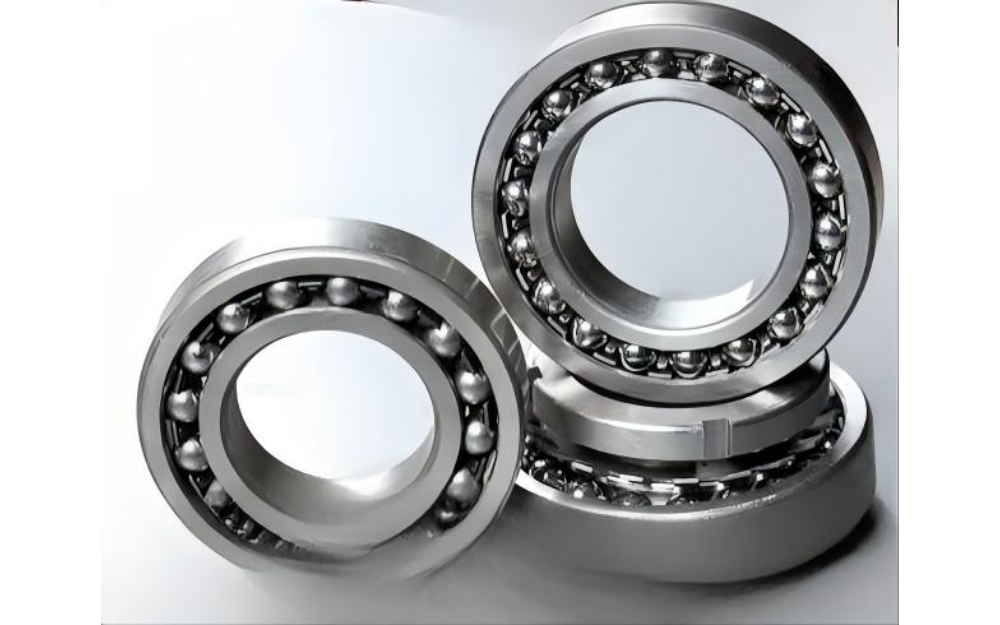 Warehouse Robots Never Sleep—Can Their Bearings Keep Up?
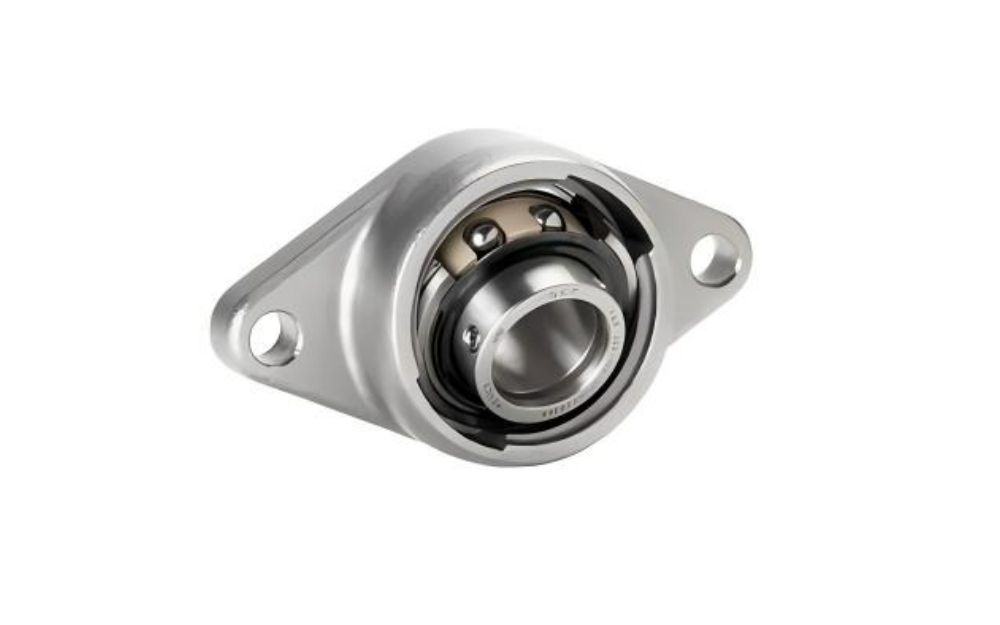 How Bearing Downtime Can Cost Offshore Platforms Millions
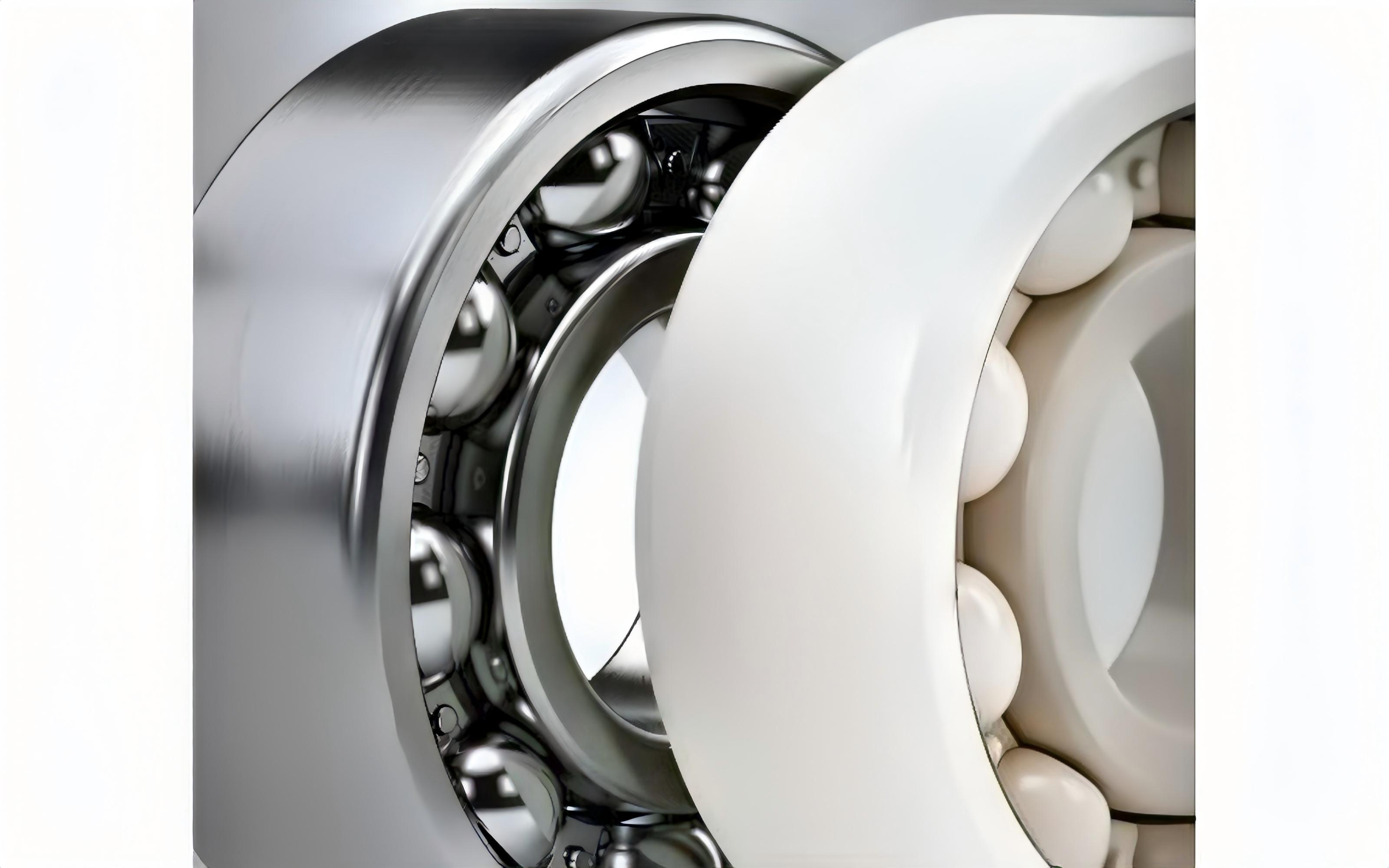 Hybrid Bearings vs Steel Bearings: Which One Wins in 2026?
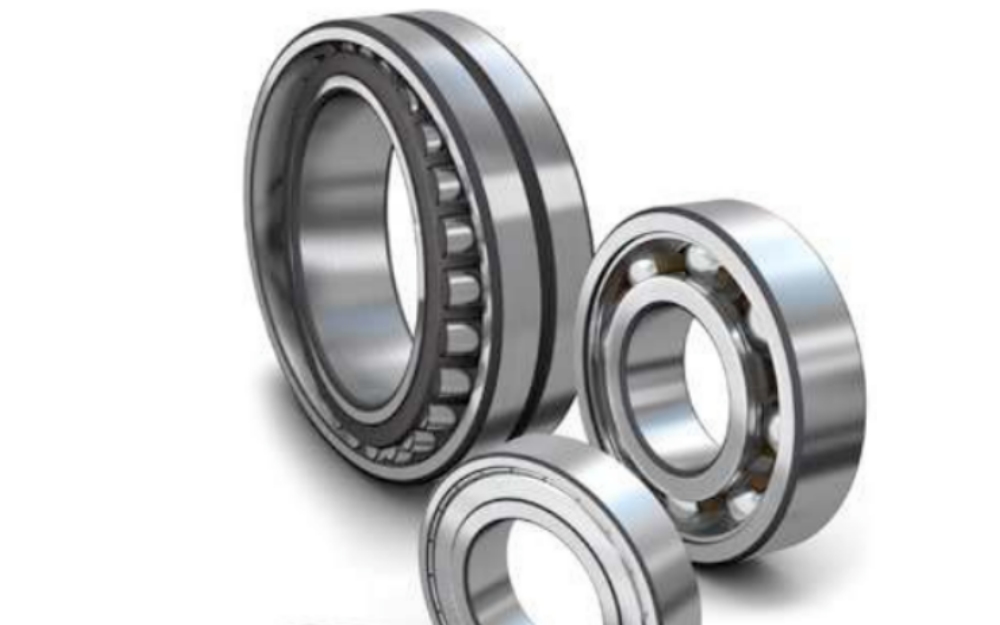 Why Are More Factories Switching to Sealed Bearings Instead of Open Bearings in 2026?